
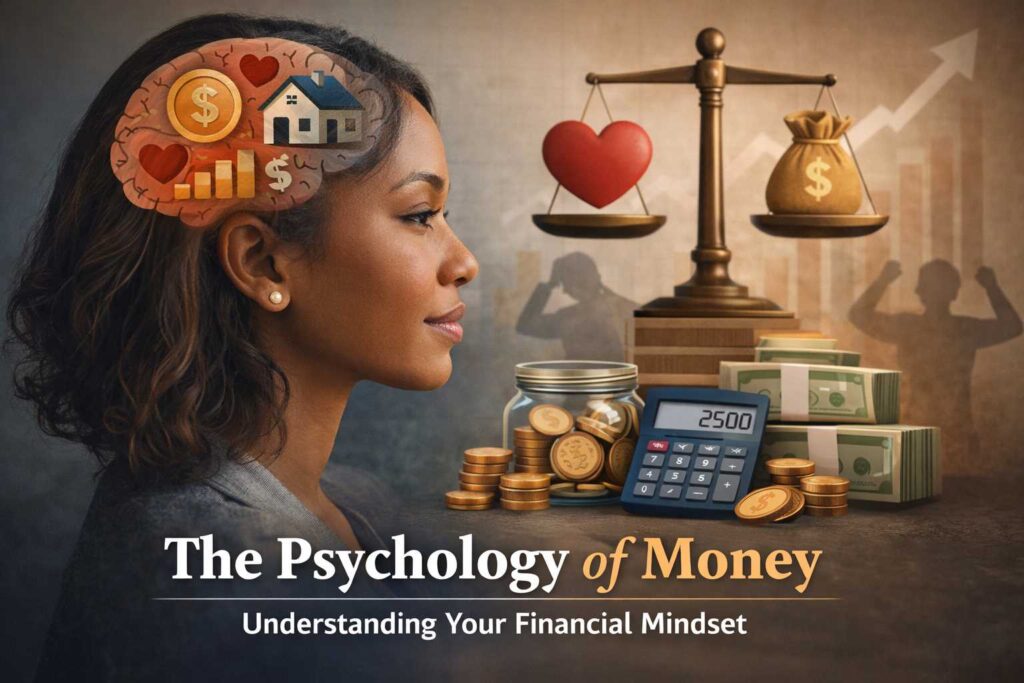
When you think about money, what’s the first emotion that comes up? Is it calm or stress? Or perhaps it’s that feeling where you avoid thinking about it altogether? These emotions are more common than we realize, and they often shape the way we make financial decisions, even without us being fully aware of it.
What most people don’t realize is that financial challenges aren’t always the result of poor math skills or a lack of discipline. In fact, money is as much about psychology as it is about numbers. From our upbringing to our personal fears, our unconscious behaviors influence every financial choice we make. Understanding this deeper connection between emotions and money can lead to clearer, less stressful financial decisions.
Money Is More Than Just Numbers: It’s Tied to Our Emotions
Money is one of the few areas in life where our past experiences, identity, and emotions all collide. Many of us aren’t taught how to handle the emotional side of money, which is why we find ourselves stuck in repeating patterns, no matter how much we earn or how many strategies we try. You might be surprised to learn that two people with the same income and lifestyle can have very different experiences with money—one feeling at peace and the other feeling stressed or behind.
This difference in experience doesn’t come from better budgeting or more investments. It comes from understanding how our money psychology shapes our decisions and emotions. Once you understand your relationship with money, it becomes quieter, and everything else, including your financial future, becomes clearer.
The Role of Your Upbringing and Identity in Money Decisions
Your relationship with money is largely formed by the values, habits, and beliefs you were exposed to growing up. This makes money not just a financial tool, but a psychological one, tied to your self-worth, safety, and identity.
Here are some common psychological patterns many of us develop:
1. Money Equals Safety
For some people, money represents safety and security, even if things are technically fine. The fear of losing it or facing an uncertain future makes them anxious, even if they have a stable income. This pattern often stems from childhood experiences or feelings of insecurity. These individuals may hoard money and avoid spending because they’re unsure about the future.
Takeaway: If you find yourself constantly anxious about money despite having enough, it could be because you equate money with safety. Acknowledge this pattern and reflect on whether it serves you, or if it’s simply a protective mechanism from the past.
2. Money Equals Freedom
On the flip side, many people see money as the ultimate form of freedom. It’s the ability to live life on their terms—take a vacation, make spontaneous decisions, or avoid the constraints of a rigid routine. For these individuals, spending money often brings relief and joy, as it gives them the freedom to live the life they want.
Takeaway: If you equate money with freedom, it’s important to ensure that your financial decisions align with your true values. The key is balance—money should be a tool for freedom, not a source of recklessness.
3. Money Equals Self-Worth
Perhaps one of the most dangerous patterns is when money becomes tied to self-worth. For these individuals, financial success defines their value as a person. They constantly compare themselves to others and measure their self-esteem based on the amount of money they have or how successful they are in their careers.
Takeaway: If your net worth defines your self-worth, it’s important to recognize this pattern and understand its impact on your happiness. Money should never be a reflection of your value as a person.
4. Money Equals Stress or Shame
For many people, money just feels heavy. It’s associated with stress, anxiety, and even shame. These emotions often lead to avoidance behaviors—procrastinating on managing finances, avoiding conversations about money, or feeling behind in life. This pattern can stem from past financial struggles or a belief that money problems are a reflection of personal failure.
Takeaway: If you experience stress or shame around money, it’s crucial to examine where these emotions are coming from. Understanding why you feel this way will help you break free from the avoidance cycle and take control of your financial life.
How to Break Free from Unconscious Money Patterns
Breaking free from negative money patterns isn’t about creating the perfect financial plan or following the latest budget trend. It’s about understanding your emotional relationship with money and how your unconscious beliefs shape your choices.
Here are some steps to help you gain clarity and control over your financial psychology:
- Self-Awareness: Begin by reflecting on your emotions and habits around money. Do you equate money with safety, freedom, or self-worth? Are you avoiding money conversations or feeling constant anxiety about it? Recognizing your patterns is the first step toward change.
- Mindset Shift: Understand that your relationship with money is evolving. It’s okay to move from one pattern to another as your financial situation and goals change. What matters is that you’re aware of your patterns and can adapt them to serve you better.
- Focus on What You Can Control: While you can’t always control your financial situation, you can control your emotional response to it. Reframe money as a tool, not a source of stress or validation, and focus on making small, intentional changes to improve your financial mindset.
Final Thoughts: Money Is Just a Tool, Not a Reflection of You
Money is an inanimate object—it doesn’t have feelings, and it doesn’t hold power over you unless you give it that power. By understanding the psychological patterns that shape your financial decisions, you can begin to make money a tool for freedom, security, and peace of mind—rather than a source of stress or shame.
The key to financial success isn’t in perfecting a budget or maximizing your investments. It’s in understanding your money psychology and using that awareness to make better decisions, reduce stress, and ultimately achieve the financial clarity you seek.
Frequently Asked Questions
1. How does money psychology impact financial decision-making?
Answer: Money psychology influences how we make financial choices based on emotions and unconscious patterns, rather than just numbers. Understanding this connection helps reduce stress and make clearer financial decisions.
2. What are the common money patterns people have?
Answer: Common patterns include money representing safety, freedom, self-worth, or stress. These patterns shape how we save, spend, and invest, and recognizing them helps improve financial behaviors.
3. Why do some people feel anxious about money despite having enough?
Answer: Anxiety about money often comes from emotional fears or past experiences tied to money, even if one is financially stable. Recognizing these fears can help reduce stress and improve financial clarity.
4. How can I improve my money mindset?
Answer: Start by becoming aware of your emotions and patterns related to money. Shifting your mindset from fear or stress to clarity and control can help you make better financial choices.
5. What does it mean when money is tied to self-worth?
Answer: When money defines self-worth, financial success becomes a measure of personal value. Recognizing this pattern helps separate financial status from self-esteem and promotes healthier financial decisions.
6. How can understanding money psychology help reduce financial stress?
Answer: By understanding the emotional triggers behind money-related stress, you can address unconscious patterns and make more intentional, less anxious financial decisions, leading to greater clarity and peace of mind.